
What’s Your Sterling Silver Worth? A Guide to Identifying and Selling Antique Flatware in Columbus
If you’ve lived in Columbus for a while, you know that our local homes are often filled with hidden history. Whether you’re downsizing a long-time family residence in Clintonville or helping a relative transition from a beautiful old home in Upper Arlington, you’re bound to come across "the box." You know the one: the heavy, felt-lined wooden chest tucked away in the back of a buffet or the bottom of a china cabinet.
Inside, there’s a set of flatware that hasn’t seen the light of day since the last major holiday dinner. Maybe it’s a bit tarnished, and maybe it feels a little daunting to deal with. Your first thought might be, “Is this worth anything, or is it just more clutter to move?”
At Buckeye Downsizing Services, we see these sets every single week at our Worthington warehouse. We recently handled a stunning Towle "Rambling Rose" set that got us thinking: most folks don't realize exactly what they have. Is it sterling? Is it silverplate? Does it matter?
Spoiler alert: It matters quite a bit! Today, we’re going to walk you through how to identify your silver and why your local Columbus scrap yard is probably the last place you should take a high-quality antique set.
Sterling vs. Silverplate: The Million-Dollar Question (Literally)
Before we get excited about patterns and history, we have to talk about material. The difference between sterling silver and silverplate is the difference between a high-value asset and a lovely decorative item.
Sterling Silver is 92.5% pure silver and 7.5% other metals (usually copper) for strength. Because of that high silver content, it holds "melt value" based on the current market price of silver. But more importantly, if it’s a desirable pattern, it has significant antique value.
Silverplate, on the other hand, is a base metal (like copper or brass) that has been thin-coated in a layer of silver. While silverplate is beautiful and was very popular in mid-century Columbus homes, it has almost no silver "melt value." Its value lies strictly in its utility or its aesthetic appeal to a collector.
How to Tell the Difference at Home
You don’t need a lab to get a good idea of what you have. Here are a few tricks:
The Hallmark Hunt: This is the most important step. Grab a magnifying glass and look at the back of a spoon or fork. If you see the word "Sterling" or the numbers "925," you’ve hit the jackpot.
The Magnet Test: Silver is not magnetic. If a magnet sticks firmly to your fork, it’s definitely silverplate (or stainless steel). If it doesn’t stick, you might have sterling, but you still need to verify the hallmarks.
The "Ring" Test: If you gently tap a piece of sterling, it should produce a high-pitched, bell-like ring that lingers. Silverplate tends to produce a dull "thud."

Caption: A close-up view showing the "Sterling" hallmark on the back of a vintage spoon handle, a key indicator of value.
Decoding the Marks: Patterns and Makers
Once you’ve confirmed it’s sterling, the next question is: who made it? In the world of silver, the maker and the pattern can drastically change the price.
Take the Towle Rambling Rose set we mentioned earlier. This pattern was introduced in 1937 and features a delicate, romantic floral border. It’s a classic. Other big names you might see include Gorham, Reed & Barton, Wallace, and International Silver.
Why does the pattern matter? Because collectors are often looking for "replacement" pieces. If someone breaks a salad fork from their grandmother's 1940s set, they’ll pay a premium to find that exact match. This is why a complete set in a popular pattern often sells for much more than its weight in silver.
Why "Scrap Value" is a Trap for Quality Sets
If you take a set of Towle sterling to a scrap metal dealer or a "we buy gold" shop, they are going to do one thing: weigh it and offer you a percentage of the silver’s melt price. They don’t care that it’s a beautiful 1930s design. They don't care about the craftsmanship. They are going to melt it down.
This is a heartbreak for two reasons:
You’re losing money: High-end patterns often sell for 20% to 50% above melt value in a competitive auction.
You’re losing history: Once it’s melted, it’s gone. These sets were often wedding gifts that stayed in Columbus families for generations.
At Buckeye Downsizing Services, we believe in honoring that history while getting you the best possible return.
The Buckeye Advantage: Photography and Global Reach
This is where we do things a little differently. Our owner is a professional photographer with over 22 years of experience: 12 of those specifically spent shooting for auctions. When we list a set of silver, we don’t just snap a grainy cell phone picture. We treat it like art.
We use professional lighting to show the luster, the intricate details of the pattern, and clear shots of the hallmarks. When buyers can see exactly what they’re getting, they bid with confidence.
Furthermore, for high-end estates, jewelry, and fine art, we utilize our Buckeye Reserve brand. By listing on platforms like LiveAuctioneers.com, we aren’t just selling to folks here in Worthington or Dublin. We are reaching collectors in New York, London, and Tokyo.
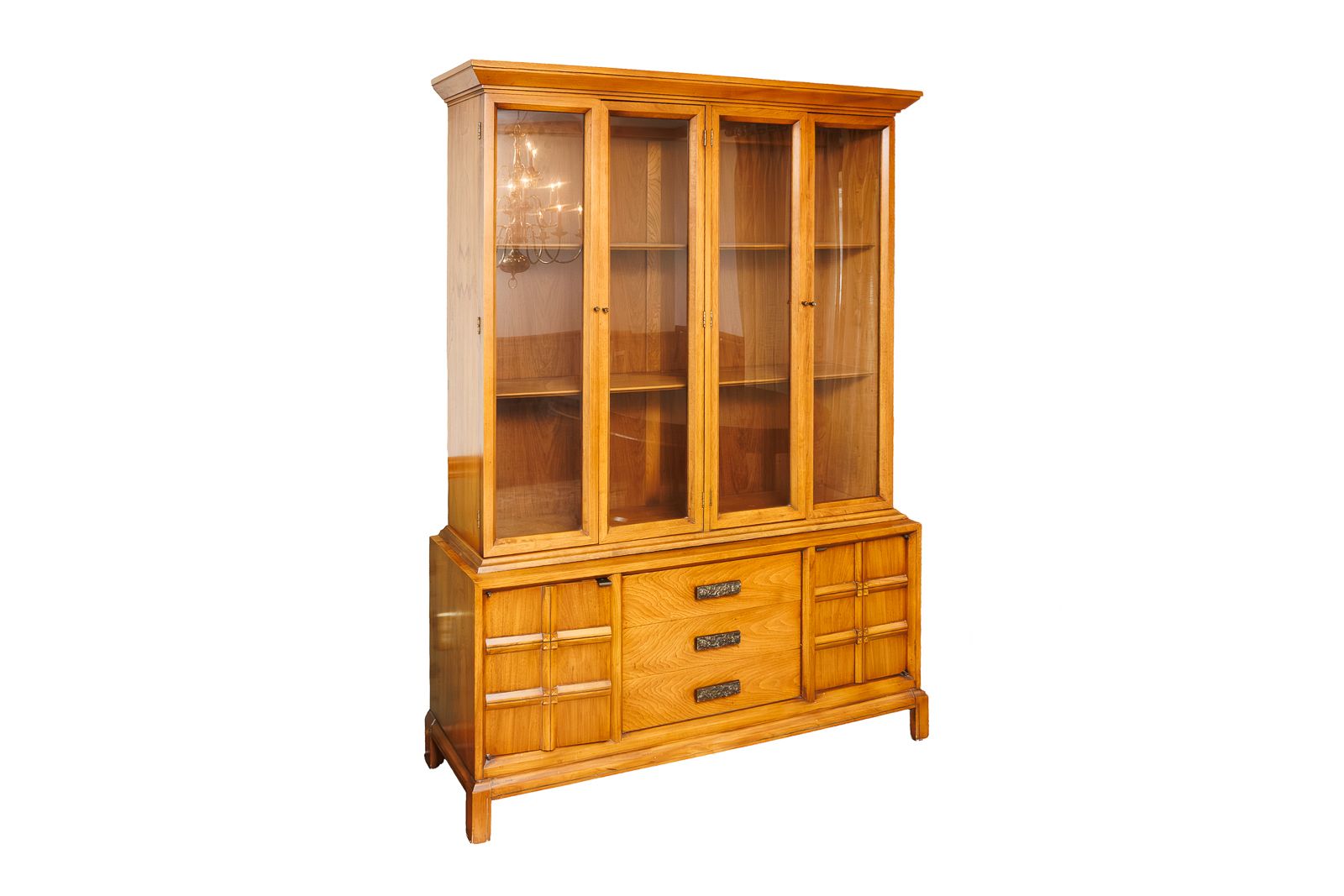
Caption: A vintage china cabinet, like this one we might find during a liquidation, is often where the best silver treasures are hidden.
The Hassle-Free Way to Sell
We know that the process of liquidation can feel overwhelming. Maybe you’re not just dealing with silver; maybe you have a whole house full of furniture, vintage video games, and jewelry.
That’s our specialty. We offer a "whole-home" solution that takes the weight off your shoulders. We handle the expert cataloging, the high-end photography, and the marketing. We even offer shipping for most items (excluding the really giant stuff like jukeboxes!), which means we can attract buyers from all over the country who are willing to pay top dollar for your family’s collectibles.
If you’re wondering where to start, check out our services page to see how we can help you navigate the process.
Caring for Your Silver While You Wait
If you’ve found a set of sterling and you aren’t ready to sell just yet, here are a few tips to keep it in tip-top shape:
Don't use rubber bands: The sulfur in rubber can cause deep, permanent corrosion on silver.
Store it in "Silver Cloth": Those tarnish-resistant bags or chests are actually very effective.
Skip the dishwasher: The heat and harsh detergents can pit the silver and loosen the blades on knives (which are usually "weighted" or "hollow handle").

Caption: Our professional photography setup in Worthington, where we make sure every piece of your estate shines.
Let’s Find Out What Your Silver is Worth
Identifying antique silver can be a fun mystery, but it can also be a lot of work. If you’re in the Columbus area and you’ve inherited a collection that you’re ready to rehome, we’d love to chat. Whether it’s a single set of "Rambling Rose" or a house full of jewelry and hidden sparkles, we’re here to support you.
We pride ourselves on being the friendly, expert neighbors who help you turn "dead weight" into a successful sale. Our team handles the heavy lifting: and the research: so you can focus on your next chapter.
Ready to see what’s possible? You can contact us here or join our mailing list to see how we showcase items in our current sales.
Downsizing doesn't have to be a headache. With the right team, those dusty boxes in the buffet can become a celebrated part of a new collector's home: and a nice boost for your bank account. Let’s make it happen together!

Caption: A supportive, organized view of our Worthington warehouse, where we carefully catalog and prepare your items for auction.
Comments